Responsive Website Development Services for a Fast MVP
Read Article

If you’ve been searching for the top web development companies, you’ve probably noticed the same pattern: polished websites, big promises, and lots of technical words that don’t really help you decide what’s right for your startup.
For early-stage founders, the real problem usually isn’t finding someone who can build. It’s finding a team that can help turn a rough idea into something clear, usable, and worth funding.
You may have the idea for an app, platform, or SaaS tool, but the next steps often feel blurry. What should the product include? What needs to be built now, and what can wait? These questions matter most long before development starts.
The best teams don’t just write code. They help shape the product and reduce guesswork, so you spend money on the right thing.
Most agencies know how to sell. They show polished case studies, mention their tech stack, and talk about speed. On the surface, many of the so-called best agencies look nearly identical.
A beautiful portfolio does not automatically mean they can help you build the right thing. Many agencies are great at execution but weak at product thinking. They will build exactly what you ask for, even when what you’re asking for is still too unclear to succeed.
That’s how founders end up spending months and thousands of dollars on something that looked good in a design file but failed in the real market.
The real difference between average agencies and useful ones is simple: the useful ones help you work out what to build before they start building it.
Early-stage founders usually do not need a full development team on day one. They need clarity. Before any code is written, you should have answers to these questions:
At this stage, a founder usually needs:
That is the work that saves time, money, and bad decisions later.
A vague idea is expensive. When a founder starts with “I want to build something like Uber, but for X,” that idea still needs structure. A good partner helps break it into something practical:
This step matters because unclear ideas create bloated products, and bloated products waste money.
Most founders understand their idea better once they can see it. Before development starts, you should be able to picture the homepage, the main screens, how users move through the product, and where the core action happens. This makes feedback easier and mistakes cheaper. A clickable draft, a working first version, or even a clear page-by-page outline can all do this job.
Investors are rarely funding vague ideas. They fund clear thinking. If your product is easy to explain, it is easier to evaluate. You should be able to describe the problem, the market, how the product works and how it makes money, without hand-waving.
Most founders do not fail because they lack ambition. They get stuck because they jump into development before the idea is usable. That usually leads to one of three problems.
Founders often assume more features make the product stronger. Usually the opposite is true. The more you add early, the harder it is to see what actually matters.
If users do not understand it quickly, they leave. If investors do not understand it quickly, they pass. Clarity is not a nice extra. It is part of the product.
Founders pay for design, then development, then revisions, then more revisions, only to find they were solving the wrong problem. That cycle is expensive and avoidable.
Instead of asking “Who can build this?”, try asking “Who can help me make this clear first?” That shift saves a lot of money. Put these questions to any of the top web development companies on your shortlist:
Their answers will tell you more than their portfolio.
ProtoAlly helps with the part most founders struggle with first: turning an unclear idea into a clear plan. Its AI Blueprint writes a plan covering who the product is for, the user journeys, features, pages, brand, costs and a launch checklist. It also gives a credits, cost and timeline estimate if you build it yourself, or a mentor’s price and timeline if you want help.
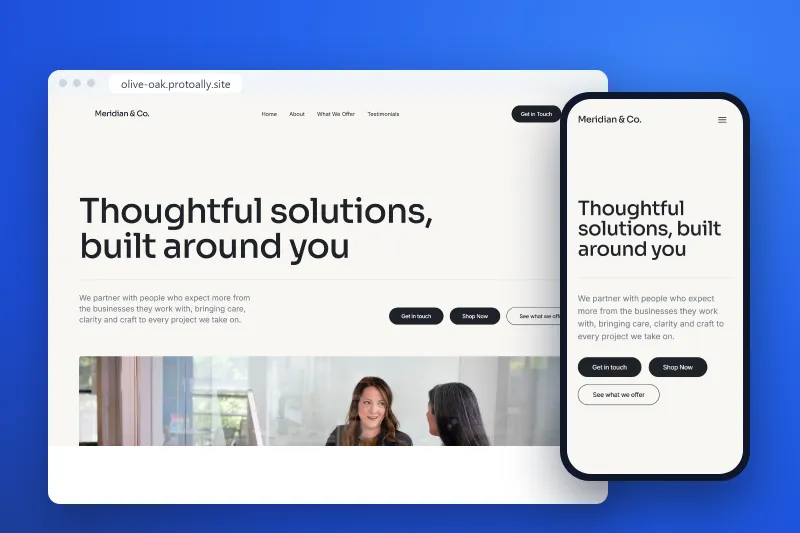
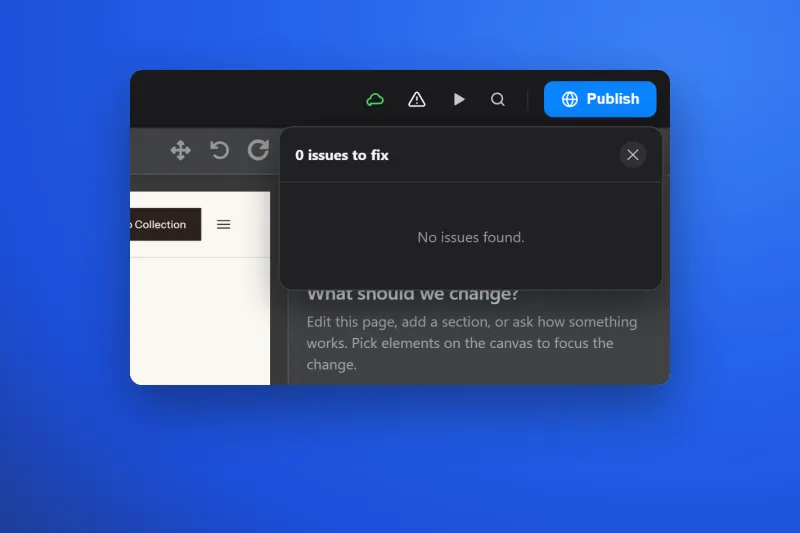
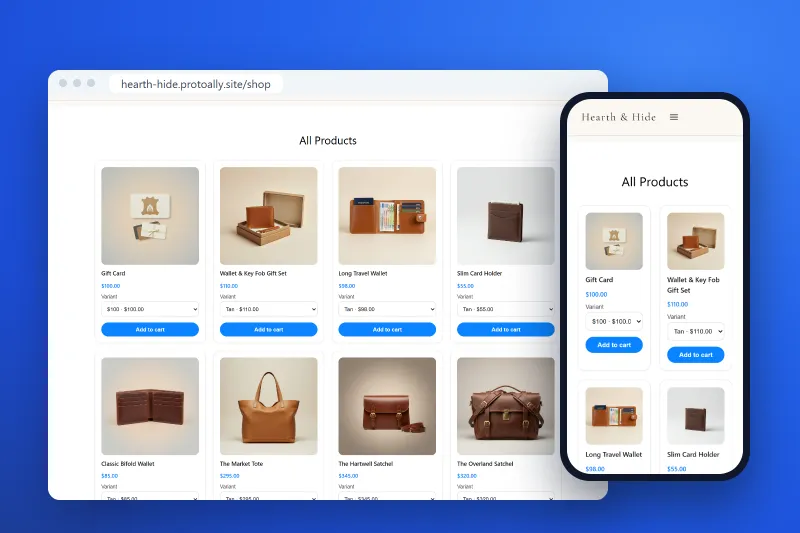
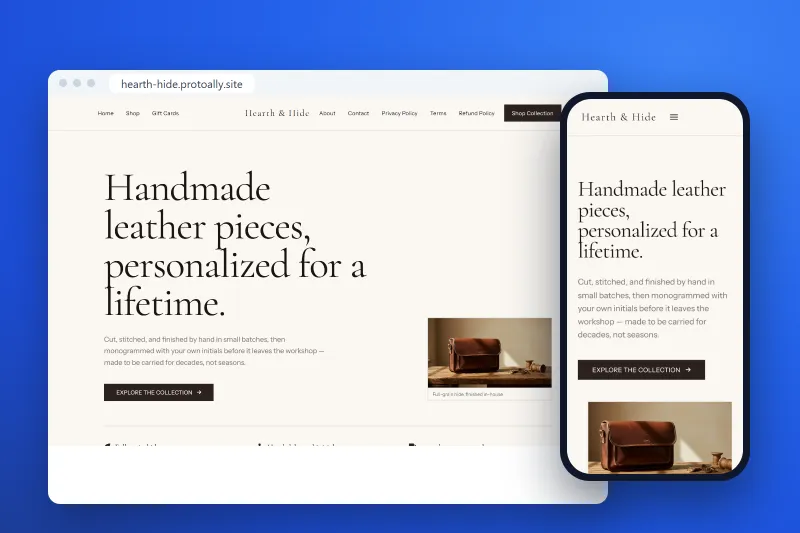
From the plan, the AI website builder can create a working website or online store, and you can publish it in one click. For anything the builder cannot do yet, such as user logins and app data, you can book an expert mentor who builds it with you.
If you want early guidance before you commit to an agency, you can talk to a startup mentor about your idea first.
The best agencies are not just the ones with the best portfolios. They are the ones that help you think clearly before you build. For an early-stage startup, that matters more than flashy design, trendy tools or technical buzzwords.
Before you hire developers, make sure you understand what you’re building, why it matters, and what version one needs to do.

Written by the ProtoAlly team and mentors, who help founders plan, build, launch and grow web apps with AI and expert guidance.
One short, practical idea for your site each week, plus ProtoAlly news.
AI Website Builder with Visual Editor
Start building with AI in minutes, customize every detail with our visual editor, and get expert help whenever you need it.
Join the founders and creators building launch-ready products on ProtoAlly.